The Functions of Macronutrients and Micronutrients
Plants can produce their own food through a process known as photosynthesis. They absorb nutrients from the soil through their roots, which are then transported through the stem to the various parts above ground level. They need two kinds of nutrients: macronutrients and micronutrients.
Plant Macronutrients and Micronutrients
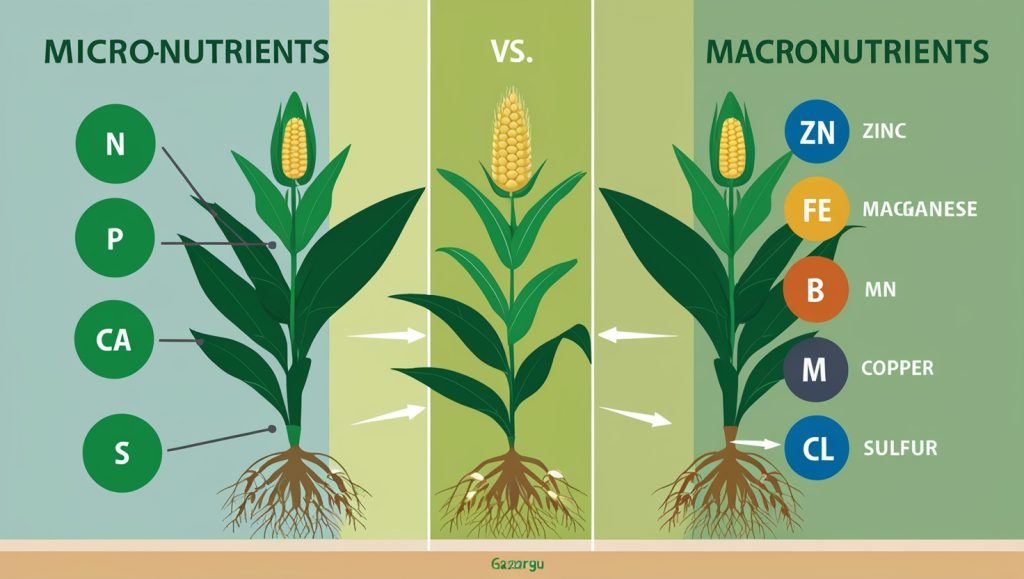
Macronutrients, as the name implies, are nutrients that plants require in large quantities. Carbon, hydrogen, oxygen, nitrogen, phosphorus, sulphur, calcium, and potassium are among them. Carbon, hydrogen, and oxygen are derived from air and water, respectively, while the others are derived from soil.
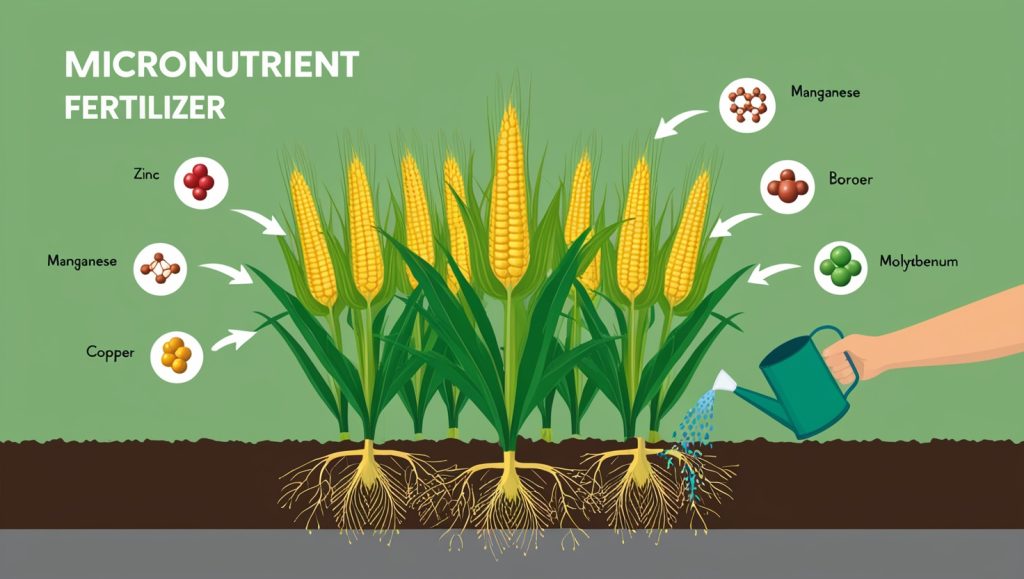
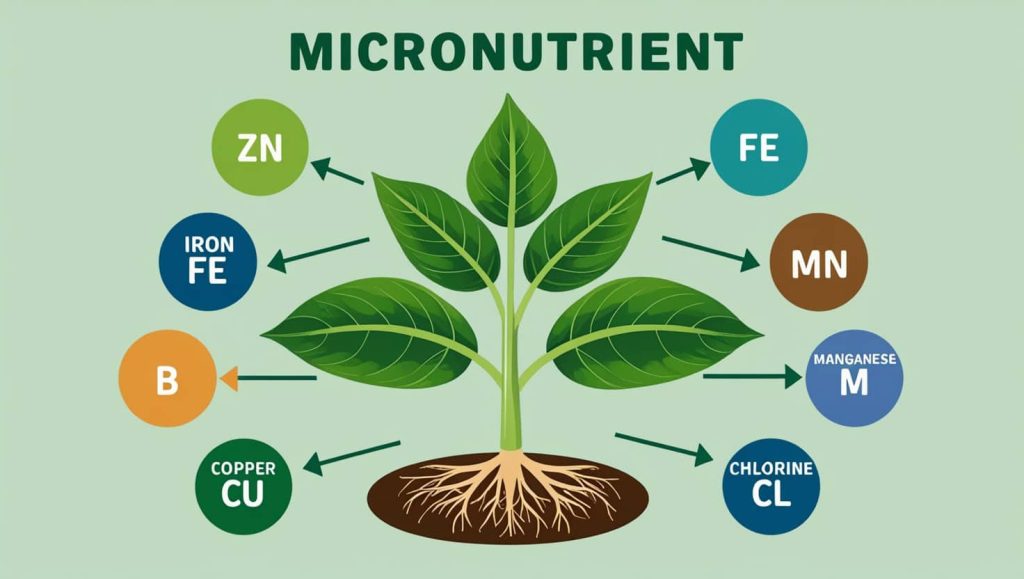
Micronutrients are those that plants require in minute amounts. These include iron, zinc, and boron, among others. Furthermore, elements such as silicon, cobalt, selenium, and sodium are present, which are required by higher plants.
The elements known as macronutrients and micronutrients can be further classified as follows:
- Elements are structural elements of the cell because they are components of biomolecules. Carbon, nitrogen, oxygen, and so on.
- Elements found in plants that are components of energy-related chemical compounds, such as phosphorus in ATP.
- Elements that aid in enzyme inactivation or inhibition. For example, zinc aids in the activation of alcohol dehydrogenase.
- Elements that affect the cell’s osmotic potential.
- Let us now examine the functions of these macronutrients and micronutrients.
Micronutrients and Macronutrients

Functions of Macronutrients and Micronutrients in Plants
Plants need both macronutrients (in large amounts) and micronutrients (in smaller amounts) for healthy growth. These nutrients help with processes like cell division, enzyme activity, photosynthesis, and building important molecules.
Macronutrients:
- Nitrogen (N): Essential for cell division and a key part of proteins, vitamins, and hormones.
- Phosphorus (P): Found in cell membranes, proteins, and DNA/RNA. Needed for energy reactions.
- Potassium (K): Important for enzyme activity, water balance, and opening/closing of stomata.
- Calcium (Ca): Helps in cell division, cell membrane stability, and metabolic regulation.
- Magnesium (Mg): Central element in chlorophyll, supports photosynthesis, respiration, and ribosome structure.
- Sulfur (S): A building block of amino acids, vitamins, and coenzymes.
Micronutrients:
- Iron (Fe): Needed in relatively higher amounts among micronutrients. Helps in enzyme activity and is part of proteins.
- Manganese (Mn): Activates enzymes and plays a role in photosynthesis, especially water splitting.
- Zinc (Zn) & Copper (Cu): Activate various enzymes, support pollen germination, cell elongation, and membrane function.
- Molybdenum (Mo): Part of enzymes like nitrogenase, important for nitrogen metabolism.
- Chlorine (Cl): Helps balance ions in cells and maintains osmotic concentration.
Good News!
Micronutrients Manufacturers can avail IMMA Memberships now
The Indian Micro Fertilizers Manufacturers Association (IMMA) assists in policy advocacy with the government and also provides guidance on fertiliser laws and acts. Members are also trained on various technical aspects through training sessions/seminars, etc.
Join IMMA Today
IMMA new membership registrations are open now click here to become a member and take its benefit.